
News & Commentary
The FBI ‘Can Neither Confirm nor Deny’ That It Monitors Your Social Media Posts
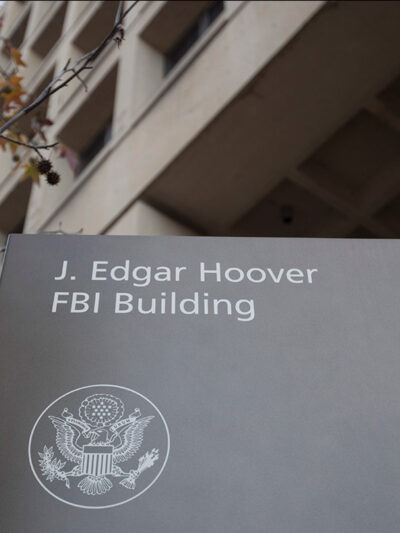
In recent years, the federal government has significantly ramped up its efforts to monitor people on social media. The FBI, for one, has repeatedly acknowledged that it engages in surveillance of social media posts. So it was surprising when the bureau responded to our Freedom of Information Act request on this kind of surveillance by saying that it “can neither confirm nor deny the existence of records.”
In South Dakota, Police Officers Involved in Shootings Are Claiming They Have a Right to Privacy as Crime Victims
After a high-speed pursuit in South Dakota in September, a highway patrol trooper shot and wounded a man after he “ignored verbal commands” and “tackled” the trooper. One month later, the Department of Criminal Investigation cleared the trooper of any wrongdoing. Then in November, a South Dakota sheriff’s deputy shot and killed a suspect who had fled after reportedly firing at deputies during a pursuit.

The Death Penalty in 2018: A Punishment on the Decline
An annual survey conducted by the Death Penalty Information Center shows a significant decline in 2018 in the use of the death penalty nationwide. This is as it should be — the nation is turning away from the barbaric practice of killing its people as punishment.

New Hampshire Police Arrested a Man for Being Mean to Them on the Internet
Should it be a crime to call public officials corrupt? Yes, according to the police in Exeter, New Hampshire. Earlier this year, they arrested a local man for writing a comment on a news website accusing Police Chief William Shupe of covering for a corrupt officer.

The Right to Record Police Doesn’t Disappear When You Put Your Phone in Your Pocket
The First Amendment right to record the police is a critical check and balance for people living in a free, open, and democratic society. It promotes the free discussion of governmental affairs as well as protects the democratic process. And for some communities, it’s a vital tool for uncovering, if not deterring, police misconduct.

Amazon’s Disturbing Plan to Add Face Surveillance to Your Front Door
Recently, a patent application from Amazon became public that would pair face surveillance — like Rekognition, the product that the company is aggressively marketing to police and Immigration and Customs Enforcement — with Ring, a doorbell camera company that Amazon bought earlier this year.

In Major Threat to Due Process, Marsy’s Law Gains Ground Nationwide
Alongside the major criminal justice reform headlines that came out of the midterm elections, a quieter trend also gained momentum through the ballot box: a budding, national threat to due process and the Fifth Amendment of the U.S. Constitution.

In a Victory for Voting Rights, NH Superior Court Enjoins Restrictive Voting Bill SB 3
CONTACT: Henry Klementowicz, ACLU-NH Staff Attorney, [email protected], (603) 333-2201

Stay Informed
Sign up to be the first to hear about how to take action.
By completing this form, I agree to receive occasional emails per the terms of the ACLU’s privacy statement.
By completing this form, I agree to receive occasional emails per the terms of the ACLU’s privacy statement.